
Effective Check Heart Health Methods: Your Guide to a Stronger Heart
- Srđan Matović
- Mar 2
- 3 min read
Taking care of your heart is one of the smartest moves you can make. Your heart works hard every day, pumping blood and keeping you alive. But how do you know if it’s doing well? That’s where effective check heart health methods come in. Today, I’m going to walk you through some simple, practical ways to keep tabs on your heart’s condition. Ready? Let’s dive in!
Why You Should Regularly Check Heart Health Methods
You might feel fine now, but heart problems often sneak up quietly. Regular heart health checks help catch issues early. Early detection means easier treatment and better outcomes. Plus, knowing your heart’s status gives you peace of mind. It’s like giving your heart a little tune-up before any trouble starts.
Here’s why you should care:
Heart disease is a leading cause of death worldwide.
Many heart conditions show no symptoms until they’re serious.
Lifestyle changes can prevent or reverse heart problems if caught early.
By using effective check heart health methods, you’re taking control of your well-being. And guess what? It’s easier than you think!
Top Check Heart Health Methods You Can Use Today
Let’s get practical. Here are some of the best ways to check your heart health. These methods range from simple at-home checks to professional screenings.
1. Monitor Your Blood Pressure
High blood pressure is a silent enemy. It strains your heart and arteries, increasing the risk of heart attack and stroke. You can measure your blood pressure at home with a digital monitor. Aim for readings below 120/80 mmHg.
Tips:
Check your blood pressure at the same time daily.
Sit quietly for 5 minutes before measuring.
Keep a log to track changes over time.
2. Track Your Heart Rate
Your resting heart rate tells a lot about your heart’s fitness. A normal resting heart rate for adults ranges from 60 to 100 beats per minute. Athletes often have lower rates, which is a good sign.
How to check:
Find your pulse on your wrist or neck.
Count beats for 30 seconds and multiply by 2.
Do this first thing in the morning before getting out of bed.
3. Get a Cholesterol Test
Cholesterol levels affect your heart’s health. High LDL ("bad" cholesterol) can clog arteries, while HDL ("good" cholesterol) helps clear them. A simple blood test can reveal your cholesterol profile.
What to know:
Total cholesterol should be under 200 mg/dL.
LDL should be low, ideally under 100 mg/dL.
HDL should be 60 mg/dL or higher.
4. Use an EKG (Electrocardiogram)
An EKG records your heart’s electrical activity. It can detect irregular heartbeats, heart attacks, and other issues. Many clinics offer quick EKG screenings, and some mobile services bring this test right to your door.
5. Consider a Stress Test
If you have risk factors or symptoms, a stress test can show how your heart performs under physical exertion. It’s often done on a treadmill or stationary bike while monitoring your heart.
6. Embrace Mobile Cardiovascular Imaging
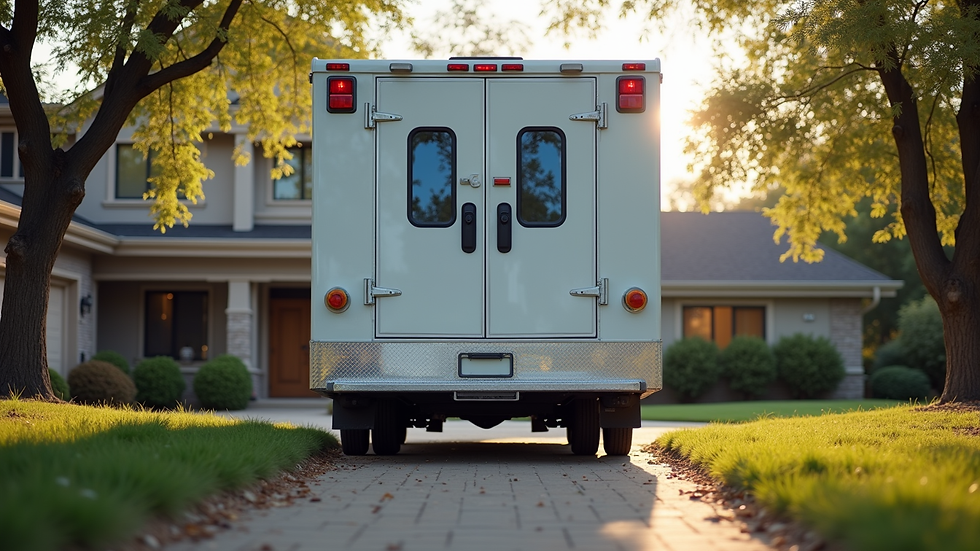
Technology has made heart health checks more accessible. Mobile cardiovascular imaging services bring advanced diagnostic tools to your home or workplace. This convenience encourages more people to get screened regularly.

Lifestyle Habits That Support Heart Health
Checking your heart is crucial, but what you do daily matters just as much. Here are some heart-friendly habits to adopt:
Eat a balanced diet: Focus on fruits, vegetables, whole grains, and lean proteins.
Stay active: Aim for at least 150 minutes of moderate exercise weekly.
Manage stress: Practice mindfulness, meditation, or deep breathing.
Avoid smoking: It damages your heart and blood vessels.
Limit alcohol: Keep it moderate to protect your heart.
These habits not only improve your heart’s function but also enhance your overall quality of life.
How Often Should You Get a Heart Health Check?
Frequency depends on your age, family history, and risk factors. Generally:
Adults 18-39 with no risk factors: every 4-6 years.
Adults 40+ or with risk factors: annually or as advised by your doctor.
If you live in Phoenix and want to make this easy, consider scheduling a heart health check with a mobile imaging service. They bring the screening to you, saving time and hassle.
Taking Charge of Your Heart Health Today
You’ve got the tools and knowledge now. The next step is action. Don’t wait for symptoms to appear. Schedule your heart health check, monitor your numbers, and embrace a heart-healthy lifestyle. Remember, your heart is your engine - keep it running smoothly!
If you’re in Phoenix, Happy Beats Imaging is here to help. They make preventive cardiovascular imaging super easy and affordable, right at your doorstep. It’s a smart, convenient way to stay ahead of heart problems.
Your heart deserves the best care. Let’s keep it strong together!


Comments